5. BIRD SHAPE
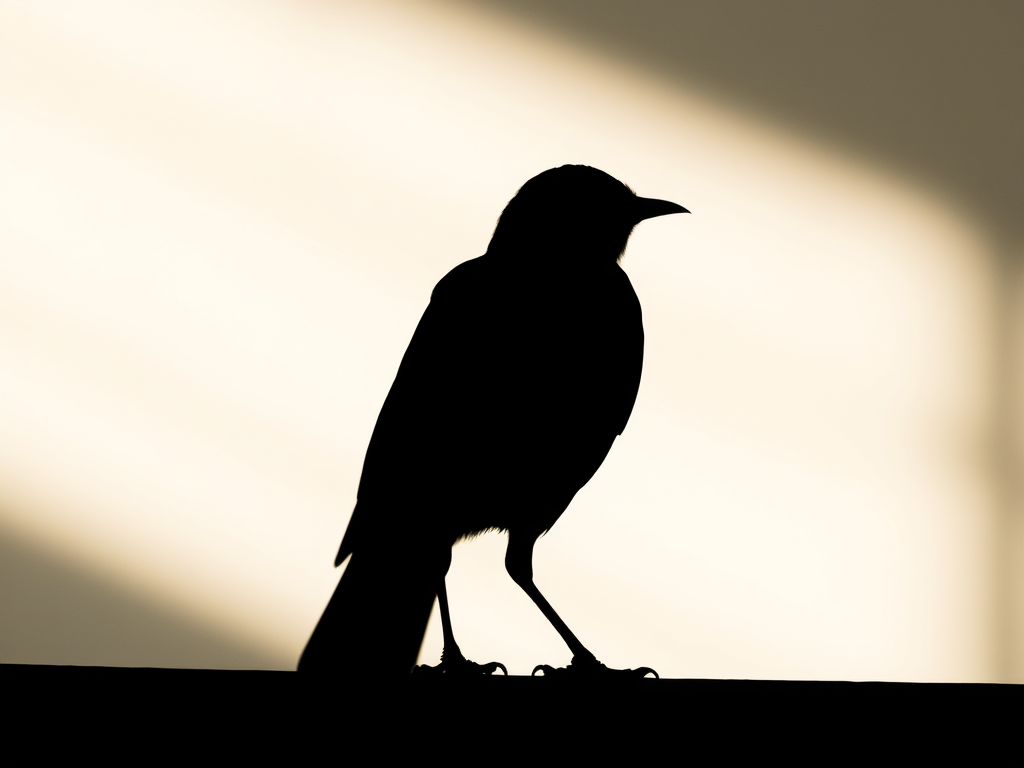
Birds exhibit a fascinating variety of shapes and forms that are adapted to their environments and lifestyles. Here are some key points to consider:
1. Body Structure
- Aerodynamics: Birds typically have a streamlined body shape to reduce drag while flying. This includes a tapered body and wings that help them navigate through the air efficiently.
- Fins and Tail: Birds have tails which can be fan-shaped or pointed. The shape of the tail helps in stabilization during flight and maneuverability.
2. Wing Variation
- Wing Shape: Different species have varying wing shapes adapted to their flight patterns. For instance:
- Long and Narrow Wings: Found in birds that soar (like albatrosses) and take advantage of thermal currents.
- Short and Broad Wings: Common in species that require quick bursts of speed (like sparrows) for takeoff and landing.
3. Beak Design
- Feeding Adaptations: The shape of a bird’s beak is often directly correlated to its diet.
- Pointed Beaks: Suitable for insectivorous birds.
- Curved Beaks: Common in nectar-feeding birds like hummingbirds.
- Thick, Strong Beaks: Found in seed-eating birds for cracking open shells.
4. Size and Scale
- Size Variations: Birds range from tiny hummingbirds to large ostriches, with their shapes adapting to the ecological niches they occupy.
- Weight Distribution: The shape can also influence the weight distribution, with some birds having a heavier body and smaller wings, affecting their flying capabilities.
Conclusion
The diversity in bird shapes is a remarkable example of evolution and adaptation, illustrating how form follows function
 SCIENCE LABS