3.BRAIN SHAPE
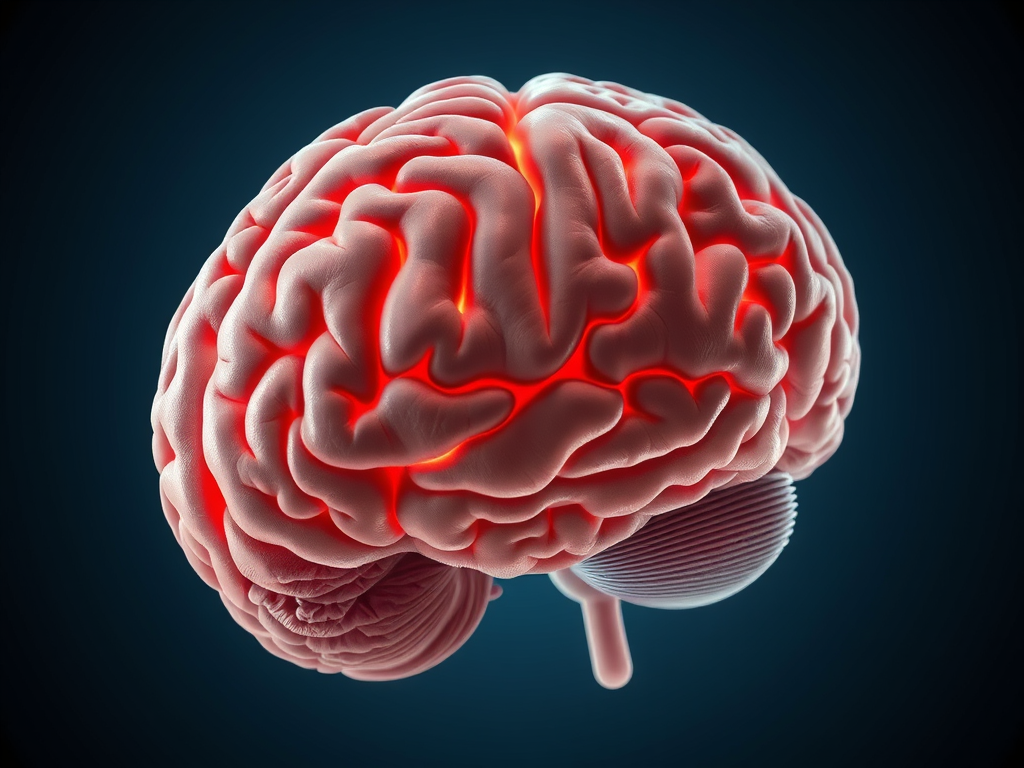
The human brain is a complex organ characterized by its unique shape and structure.
The brain is generally described as resembling a large, wrinkly walnut. It has several key features:
- Cerebrum: The largest part of the brain, which is divided into two hemispheres (left and right). Each hemisphere has four main lobes: frontal, parietal, temporal, and occipital. The surface of the cerebrum is marked by grooves called sulci and ridges called gyri, giving it a convoluted appearance.
- Cerebellum: Located at the back of the brain, beneath the cerebrum, the cerebellum has a more compact, rounded shape and is responsible for coordination and balance. Its surface also features folds similar to the cerebrum.
- Brainstem: This structure connects the brain to the spinal cord and is involved in regulating essential life functions like heart rate and breathing. It has a more cylindrical shape compared to the cerebrum and cerebellum.
Advantages of the Brain’s Shape
The unique shape of the brain provides several advantages:
- Increased Surface Area: The folding of the cerebrum allows for greater surface area within a limited volume, enabling more neurons to be packed into the brain. This increased surface area is crucial for higher cognitive functions.
- Efficient Functioning: The different regions of the brain are specialized, with specific functions that are linked to their locations. This specialization allows for efficient processing of information and coordination of bodily functions.
- Adaptability: The complex shape allows for plasticity, meaning the brain can adapt its structure and function in response to learning, memory, or injury.
- Integration of Functions: The interconnected networks formed by the various regions of the brain reflect its complex shape, facilitating the integration of sensory inputs, emotions, and cognitive tasks.
Overall, the distinctive shape of the brain plays a crucial role.
 SCIENCE LABS