19. SHIP SHAPE
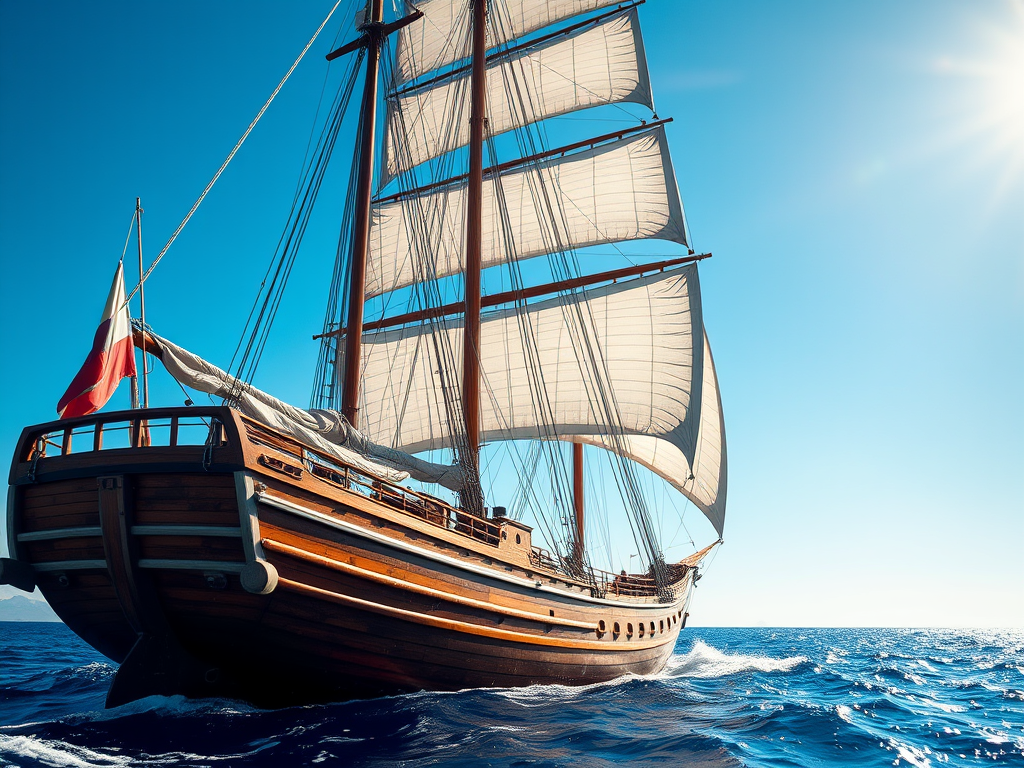
The design and shape of a ship are crucial for its performance, safety, and efficiency. Here are some key benefits of an optimal ship shape:
1. Hydrodynamic Efficiency
A well-designed ship shape minimizes water resistance (drag) while traveling through water, which can lead to higher speeds and reduced fuel consumption.
2. Stability
The shape of the hull is critical for stability. A ship with the right hull design can better withstand waves and currents, providing a safer experience for the crew and cargo.
3. Cargo Capacity
The design influences how much cargo a ship can carry. An optimal shape allows for maximum space utilization within the hull, ensuring that the ship can transport more goods efficiently.
4. Maneuverability
Ships designed with the right shape can maneuver more effectively in tight spaces or during adverse weather conditions, making navigation safer and easier.
5. Seaworthiness
The shape of a ship affects its ability to handle rough seas. A well-shaped hull can better slice through waves and reduce the impact of harsh conditions, ensuring the safety of the vessel.
6. Fuel Efficiency
Less resistance means that engines don’t have to work as hard, leading to lower fuel consumption and reduced operational costs over time.
7. Environmental Impact
Efficient ship shapes contribute to lower emissions due to decreased fuel usage, which is better for the environment.
8. Aesthetics
Beyond functionality, the ship’s shape can be visually appealing, contributing to the overall design and attractiveness of the vessel.
In conclusion, the shape of a ship plays a vital role in its operational effectiveness, safety, and environmental sustainability, making it an essential aspect of ship design.
 SCIENCE LABS